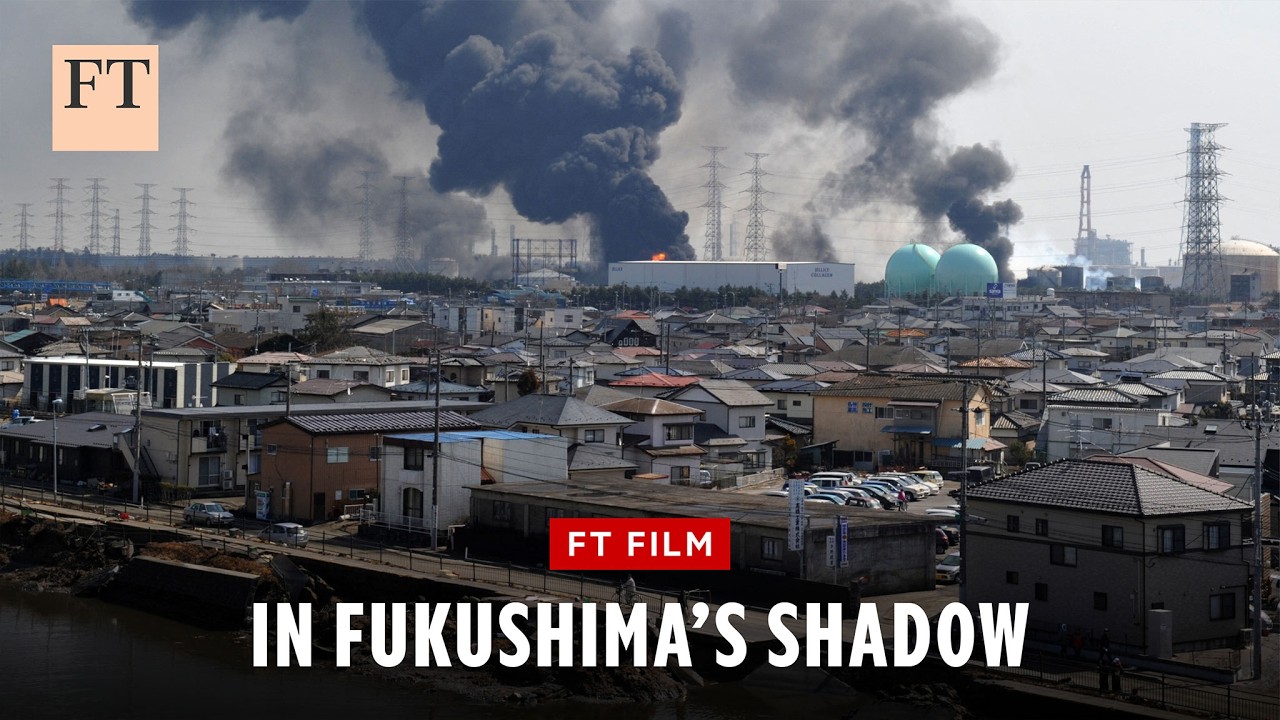
In the wake of the nuclear disaster in Fukushima, Japan shut down all of its nuclear power stations. Fifteen years on, the country is reconsidering that decision as the rise of AI has created massive demand for cheap low-carbon power. For a country with a traumatic history with nuclear, that is a difficult and delicate decision
Introduction: Japan’s pivot back to nuclear
Leo Lewis revisits Fukushima Daiichi
The impact of Fukushima on Japan
The impact of Fukushima on Japan’s energy policy
Turning nuclear reactors back on
Japan’s traumatic relationship with nuclear
Inside Kashiwazaki-Kariwa, the world’s largest nuclear power plant
Kashiwazaki’s mayor supports a limited reopening
Opposition to reopening Kashiwazaki-Kariwa
Tepco’s finances and political backing
AI, data centres and the rising cost of electricity in Japan
Leo Lewis revisits Tagajo, a city destroyed by the tsunami
Hawaiians spa resort
Keys of Change and the Fukushima youth sinfonietta
Nuclear power and geopolitics
Anti nuclear campaigners on why nuclear is always a bad idea
New nuclear technologies
Is geothermal power a viable alternative?
Conclusion
► Enjoying FT content? Get a daily slice of the very best FT journalism with FT Edit. Free for 30 days then just £4.99 a month
See if you get the FT for free as a student ( or start a £1 trial:
► Check out our Community tab for more stories:
► Listen to our podcasts:
► Follow us on Instagram:
► Follow us on Instagram: